Introduction: Stumps Meaning in Cricket
One of the most important parts of the game is the stumps. Whether you are watching an international match, playing street cricket, or learning the rules for the first time, understanding the Stumps Meaning in Cricket is essential.
Stumps are more than just three wooden sticks placed at each end of the pitch. They play a crucial role in dismissing batters, determining run-outs, stumpings, and even influencing the strategies of bowlers and wicketkeepers. Every legal cricket match uses stumps according to the official laws of cricket.
In this detailed guide, you will learn everything about cricket stumps, including their meaning, size, dimensions, rules, history, importance, types, materials, and interesting facts.
What Are Stumps in Cricket?
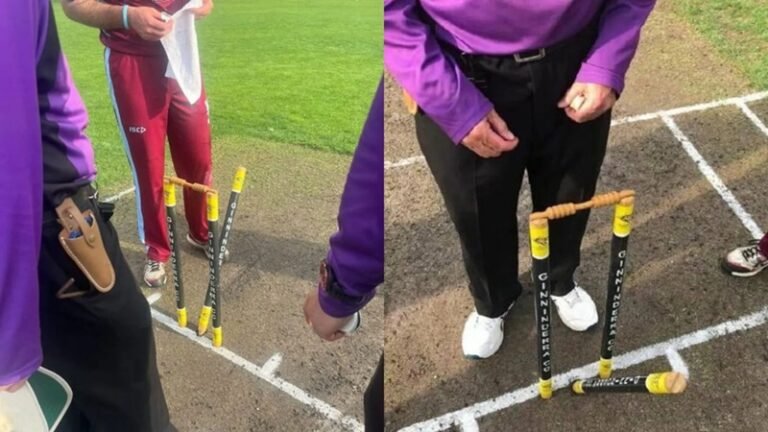
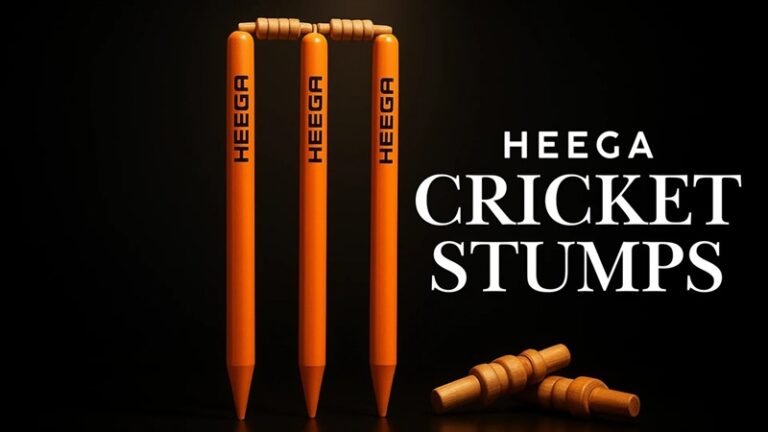
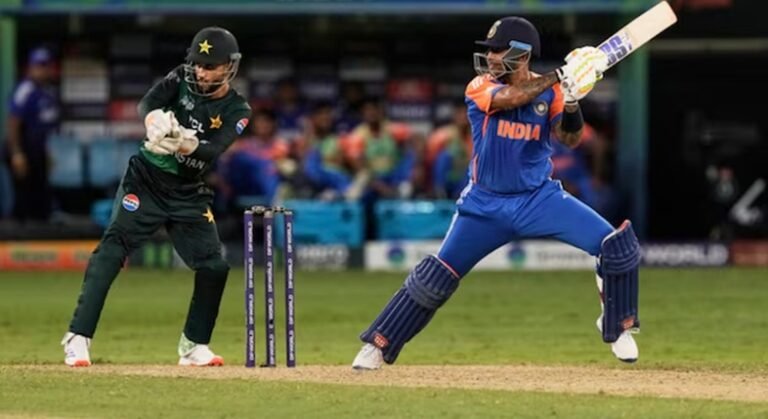
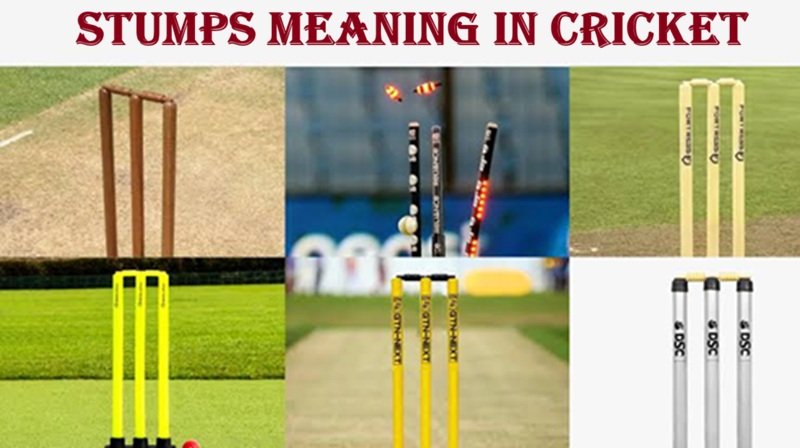
In cricket, stumps are the three vertical wooden or synthetic posts placed at each end of the cricket pitch. Together with two bails placed on top, they form a wicket.
The main purpose of the stumps is to provide a target for the bowler and to help officials determine whether a batter has been dismissed. When the bails are removed from the stumps according to the Laws of Cricket, a batter may be declared out under various modes of dismissal. Without stumps, a cricket match cannot be played according to official regulations.
Quick Information About Cricket Stumps
| Feature | Details |
|---|---|
| Equipment Name | Cricket Stumps |
| Number of Stumps | 3 at each wicket |
| Total Stumps on Field | 6 |
| Bails | 2 on each wicket |
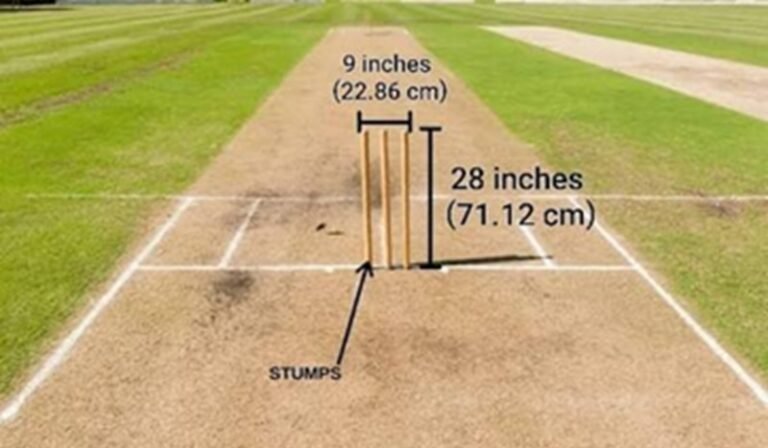
| Height | 28 inches (71.1 cm) |
| Width of Complete Wicket | 9 inches (22.86 cm) |
| Main Purpose | Form the wicket and determine dismissals |
| Used In | Test, ODI, T20, Domestic & Club Cricket |
What Is a Wicket?
Many people confuse stumps with wickets.
A wicket consists of:
- 3 stumps
- 2 bails
Therefore, stumps are only one part of the wicket.
Parts of a Cricket Wicket
Every wicket contains 5 components.
| Component | Quantity |
|---|---|
| Off Stump | 1 |
| Middle Stump | 1 |
| Leg Stump | 1 |
| Bails | 2 |
Together, these parts create the wicket that bowlers aim to hit.
Names of the 3 Stumps
Each stump has a specific name depending on its position.
Off Stump
The off stump is closest to the batter’s off side. Bowlers often target this stump to create edges and bowled dismissals.
Middle Stump
It is the central reference point for bowlers and umpires.
Leg Stump
The leg stump is closest to the batter’s leg side. Many deliveries such as yorkers and inswingers target this area.
Standard Dimensions of Cricket Stumps
The International Cricket Council (ICC) follows the Laws of Cricket for stump measurements.
| Measurement | Size |
|---|---|
| Height | 28 inches (71.1 cm) |
| Width of Entire Wicket | 9 inches (22.86 cm) |
| Number of Stumps | 3 |
| Number of Bails | 2 |
| Distance Between Stumps | Equal spacing |
These dimensions remain the same across Test, ODI, and T20 cricket.
Why Are Cricket Stumps Important?
Cricket stumps serve several important purposes.
Target for Bowlers
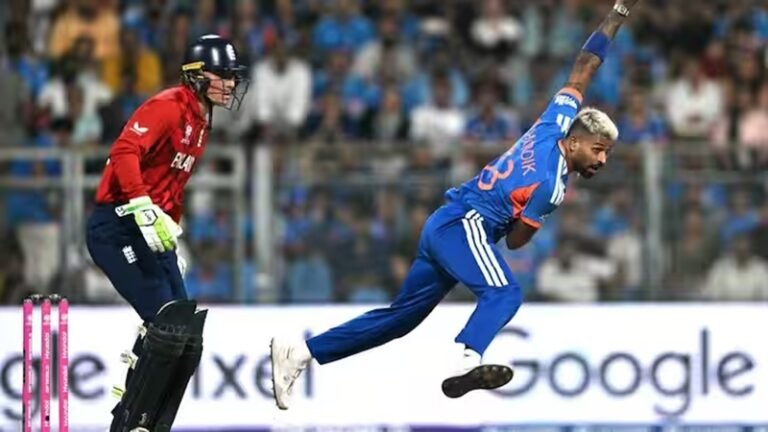
Every bowler aims to hit the stumps directly. Fast bowlers use pace, while spinners rely on turn and deception.
Helps in Dismissals
Several forms of dismissal depend on the wicket being broken.
Examples include:
- Bowled
- Run Out
- Stumped
- Hit Wicket
Helps Umpires
The condition of the stumps and bails helps umpires make accurate decisions during close moments.
Essential for Fair Play
The wicket provides a fixed target, making the game balanced between bat and ball.
Ways a Batter Can Be Out Using the Stumps
The wicket plays a direct role in several dismissals.
Bowled
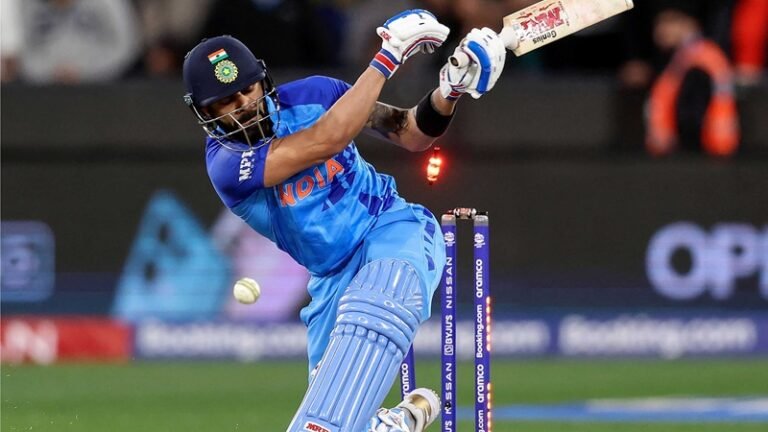
The bowler hits the stumps, and at least one bail falls.
Run Out
A fielder breaks the wicket before the batter reaches the crease.
Stumped
The wicketkeeper removes the bails while the batter is outside the crease.
Hit Wicket
The batter accidentally hits the stumps with the bat or body while playing the ball.
Materials Used to Make Cricket Stumps
Traditionally, cricket stumps are made from wood.
Common materials include:
- Ash wood
- English willow
- Durable hardwood
- Synthetic materials (for practice)
- Plastic (for casual cricket)
Professional matches mostly use high-quality wooden stumps.
LED Stumps in Modern Cricket
Modern international cricket uses LED stumps.
Benefits include:
- Faster run-out decisions
- Better stumping decisions
- Improved TV replays
- Greater accuracy
- Enhanced viewer experience
LED stumps are now common in ICC tournaments and major T20 leagues.
History of Cricket Stumps
Cricket has changed significantly over the centuries.
Originally, wickets had only 2 stumps.
Later, players noticed that the ball could pass between them too easily.
Since then, three stumps have become the global standard.
Today, the design has evolved further with the introduction of LED technology while maintaining the same official dimensions.
Difference Between Stumps and Bails
Many beginners think both are the same.
| Stumps | Bails |
|---|---|
| Vertical wooden posts | Small wooden pieces placed on top |
| Three at each wicket | Two at each wicket |
| Fixed into the ground | Rest on top of stumps |
| Form the main wicket | Complete the wicket |
Difference Between Wicket and Stumps
| Wicket | Stumps |
|---|---|
| Includes stumps and bails | Only three vertical posts |
| Complete structure | Part of the wicket |
| Used for dismissals | Form the base of the wicket |
Role of Stumps in Different Formats
Test Cricket
In Test cricket, bowlers consistently target the stumps to dismiss batters over long spells.
One-Day Internationals
Accurate stump targeting becomes crucial during middle overs and death overs.
T20 Cricket
Yorkers aimed at the base of the stumps are among the most effective deliveries in T20 matches.
How Bowlers Target the Stumps
Elite bowlers spend years mastering accuracy.
Common techniques include:
- Yorkers
- Inswingers
- Outswingers
- Reverse swing
- Straight deliveries
- Off-spin
- Leg-spin
Hitting the stumps consistently is one of the biggest strengths of successful bowlers.
Interesting Facts About Cricket Stumps
- Every cricket field has 2 wickets, making a total of 6 stumps.
- Stumps are always positioned 22 yards apart, matching the length of the pitch.
- LED stumps are widely used in international tournaments.
- Cricket stumps have remained 28 inches high for many years.
- Many famous dismissals in cricket history have involved spectacular stump hits.
- Bowlers celebrate “clean bowled” dismissals because they directly hit the stumps.
Common Mistakes Beginners Make
Many new cricket fans misunderstand the role of stumps.
Some common misconceptions include:
- Thinking the wicket means only the stumps.
- Assuming all stumps are identical without specific names.
- Believing plastic stumps are used in international cricket.
- Confusing bails with stumps.
- Thinking LED stumps are compulsory at every level of cricket.
Learning the correct terminology makes watching and playing cricket much easier.
Tips for Beginners
If you are new to cricket, keep these points in mind:
- Learn the names of all 3 stumps.
- Understand how a wicket is broken.
- Watch how bowlers aim for the base of the stumps.
- Observe stumping and run-out replays carefully.
- Practice bowling at the stumps to improve accuracy.
Advantages of LED Cricket Stumps
| Advantage | Benefit |
|---|---|
| Instant illumination | Easier decisions |
| Built-in sensors | Accurate dismissals |
| Better television coverage | Improved viewing experience |
| Faster third umpire reviews | Saves time |
| Modern technology | Enhances fairness |
Why Cricket Stumps Matter
Cricket stumps are one of the most recognizable pieces of equipment in the sport. They provide the target for bowlers, help determine several modes of dismissal, and maintain fairness in the game. From traditional wooden stumps to modern LED versions, their role has remained central to cricket for centuries.
Whether you are a beginner or an experienced fan, understanding the stumps meaning in cricket helps you appreciate the technical and strategic aspects of the game. Every bowled dismissal, dramatic run-out, and lightning-fast stumping revolves around these three simple yet essential wooden posts.
Conclusion
Understanding the stumps meaning in cricket is one of the first steps toward learning the game. Stumps form the foundation of every wicket and are involved in many of cricket’s most exciting moments. They help bowlers take wickets, assist wicketkeepers in stumpings, and allow umpires to make accurate decisions.
Although modern cricket has introduced LED technology, the basic design and purpose of the stumps remain unchanged. Their importance continues to make them one of the most iconic symbols of cricket around the world.
Frequently Asked Questions (FAQs)
1. What are stumps in cricket?
Stumps are the 3 vertical posts placed at each end of the cricket pitch. Together with two bails, they form the wicket.
2. How many stumps are used in a cricket match?
A cricket field has 6 stumps in total—3 at each end of the pitch.
3. What is the height of cricket stumps?
The official height of cricket stumps is 28 inches (71.1 cm).
4. What are the names of the 3 stumps?
The three stumps are called the off stump, middle stump, and leg stump.
5. What is the difference between stumps and wickets?
Stumps are the 3 vertical posts, while a wicket consists of 3 stumps and 2 bails together.
6. Why do modern cricket matches use LED stumps?
LED stumps light up instantly when the wicket is broken, helping umpires make quicker and more accurate decisions.
7. Which dismissals involve the stumps?
Stumps are directly involved in bowled, run out, stumped, and hit wicket dismissals.
8. Are cricket stumps made only of wood?
Professional cricket mainly uses wooden stumps, while plastic and synthetic stumps are commonly used for practice and recreational games.