Introduction: No Ball Stumping Wicket Rules
The No Ball Stumping Wicket Rules are a vital part of cricket, specially when a wicketkeeper is status near the stumps against a spinner. Many cricket fanatics realize that a batter may be stumped when they go away from the crease, but confusion often arises whilst the delivery is referred to as a no ball. Under the Laws of Cricket, a batter can not be disregarded Stumped from a transport that has been called No ball. Law 39 mainly requires that the transport should not be a No ball for a stumping dismissal to apply.
However, this does not mean that a batter can never be disregarded on a no-ball while they’re out of their crease. A Run out dismissal can still be feasible in sure instances, which makes the difference between stumping and run out specially crucial.
What Is Stumping in Cricket?
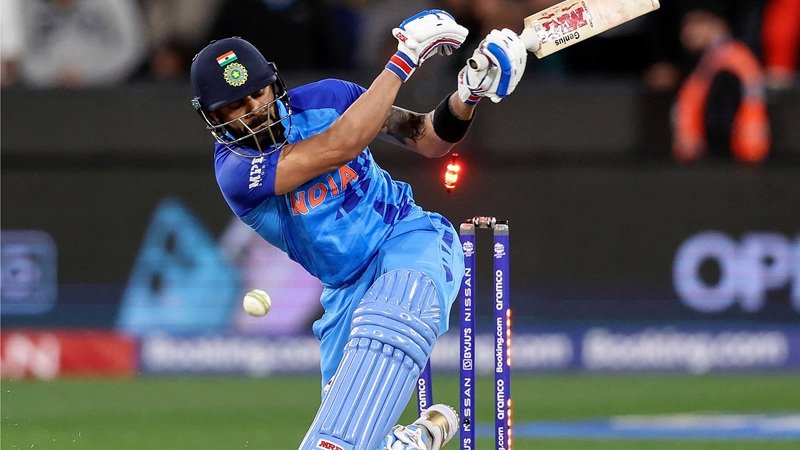
Stumping is a technique of dismissal in which the wicketkeeper breaks the striker’s wicket even as the striker is out of their ground and is not attempting a run.
According to Law 39, numerous conditions need to be satisfied:
- The transport has to not be called No ball.
- The striker needs to be outdoors on their floor.
- The striker has to not have attempted a run.
- The wicket has to be pretty broken through the wicketkeeper without intervention from some other fielder.
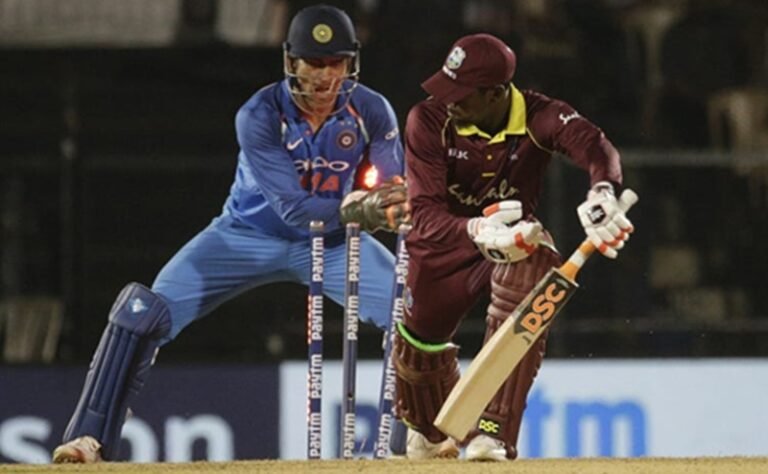
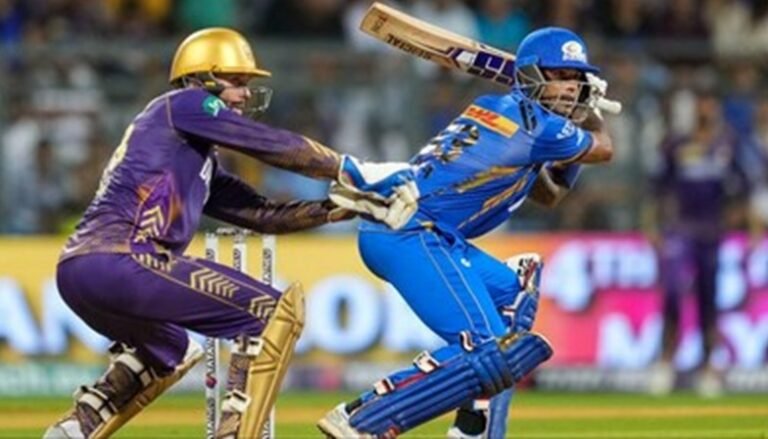
A common instance takes place whilst a spinner bowls, the batter steps down the pitch to play the ball, misses it, and the wicketkeeper speedy eliminates the bails earlier than the batter can return behind the crease.
Can You Be Stumped on a No Ball?
No, a batter cannot be out Stumped from a no-ball. This is one of the most essential factors in the no ball stumping wicket policies. Law 39.1 states that the ball brought has to No Ball Stumping Wicket Rules for the striker to be brushed off Stumped. For instance, consider a bowler who promises a ball and the front foot crosses the popping crease illegally. The umpire calls No ball. The batter comes down the pitch, misses the ball, and the wicketkeeper eliminates the bails. Even if the batter is certainly out of the crease and has not attempted a run, the batter cannot accept an out Stumped due to the fact the delivery became a no-ball.
Why Does No Ball Prevent Stumping?
A no-ball provides the batting group with a particular safety beneath the Laws of Cricket. The no-ball name stays applicable to the dismissal despite the fact that the wicketkeeper efficiently breaks the wicket. The Laws also rule that a no-ball does not no longer robotically make the ball dead. The ball stays in play, and other activities can arise after the no-ball name. This is why it’s vital now not to expect that a no-ball way nothing can occur to the batter. Stumping isn’t always authorized, but a run-out may be possible in situations included by the relevant run-out law.
No Ball and Run Out: The Important Exception
The largest source of bewilderment is the difference among Stumped and Run out. Under Law 38, a batter can usually be out Run out at the same time as a no-ball has been referred to as, challenge to particular exceptions. The striker is mainly included from being Run out while the no-ball scenario entails the wicketkeeper breaking the striker’s wicket whilst the striker is out of doors the floor and not trying a run.
Therefore, this situation is not a stumping:
No ball + striker outside crease + not attempting a run + wicketkeeper breaks the wicket = Not out.
But if the batter is trying to run, the situation may be one-of-a-kind. A valid Run out may be viable below the run-out law. This distinction is extraordinarily important for expertise in the no ball stumping wicket guidelines.
No Ball vs Stumping: Quick Comparison
| Situation | Dismissal Possible? | Explanation |
|---|---|---|
| Legal delivery, batter outside crease, no run attempted | Yes – Stumped | All basic stumping conditions are satisfied |
| No ball, batter outside crease, no run attempted, wicketkeeper breaks wicket | No – Not Stumped | Law 39 requires the delivery not to be a no-ball |
| No ball, batter attempting a run | Run out may be possible | Law 38 can apply depending on the circumstances |
| Wide ball, batter outside crease, no run attempted | Yes – Stumped | A wide is different from a no-ball |
| Legal delivery, batter attempting a run and wicket broken | Run out | The dismissal is treated under the run-out law |
| Batter leaves crease to avoid injury | Not Stumped | Law 39 provides an exception |
What Happens on a Wide Ball?
A wide ball is different from a no-ball in relation to stumping. If a batter moves outside the crease at the same time as receiving an extensive delivery, and the wicketkeeper legally breaks the wicket earlier than the batter returns, the batter may be disregarded Stumped. The MCC laws particularly state that when a striker is dismissed Stumped from an extensive, the one-run huge penalty stays.
This creates an thrilling distinction:
Wide + wicketkeeper breaks wicket + batter not trying a run = Stumped can be possible.
No ball + identical circumstances = Stumped isn’t feasible.
What If the Batter Is Attempting a Run?
Whether the batter is attempting a run is a vital part of the dismissal. A traditional stumping occurs while the striker leaves the crease to play the ball; however , he no longer strives for a run. If the striker certainly attempts to run, the dismissal is generally considered underneath the Run out law as a substitute. Law 39 explains that a striker may be out Stumped even where a Run out decision would possibly in any other case be justified, provided all the stumping conditions are happy.
On a no-ball, however, the stumping protection remains crucial. The wicketkeeper can’t without a doubt claim a stumping due to the fact the batter is out of the crease.
Role of the Wicketkeeper
The wicketkeeper has a critical position in a stumping dismissal. The wicket needs to be pretty damaged with the aid of the wicketkeeper without another fielder intervening. The Laws additionally clarify conditions in which the ball rebounds from the wicketkeeper. If the ball rebounds onto the stumps from the wicketkeeper’s character or equipment, or is kicked or thrown onto the stumps via the wicketkeeper, it is able to be handled because the wicketkeeper breaking the wicket, difficulty to the applicable regulation. This rule matters because a wicketkeeper no longer necessarily must bodily get rid of the bails with their hand for the dismissal to qualify as a stumping.
When Is a Batter Not Out Stumped?
There are numerous situations where the striker is not out Stumped. The maximum apparent one is a no-ball shipping. The batter is likewise not out Stumped if they depart their ground to keep away from damage after receiving the transport. Law 39.3 mainly provides this protection. Another crucial consideration is whether the batter has certainly tried a run. If a run is being attempted, the suitable dismissal class can be Run out in place of Stumped.
No Ball Penalty
A no-ball usually consists of a 1-run penalty to the batting aspect. The MCC laws state that the penalty for a no-ball is provided immediately. The no-ball also overrides a Wide call whilst both may otherwise apply. Therefore, if a wicketkeeper breaks the stumps after a no-ball, the umpire needs to first consider the no-ball and then determine whether any shape of dismissal is legally possible.
Does the Bowler Get Credit for Stumping?
Yes, when the dismissal is honestly Stumped, the bowler gets credit for the wicket inside the normal scoring gadget. However, the bowler does not acquire credit score for a wicket that is labeled as Run out. Law 38 mainly states that the bowler does not get credit for a Run out. This is another reason why efficiently figuring out the dismissal is essential for scorecards and participant information.
Simple Examples of No Ball Stumping Rules
1: Normal Stumping
A spinner bowls a prison transport. The batter comes down the pitch, misses the ball and does no longer try a run. The wicketkeeper collects the ball and breaks the wicket even as the batter is out of the crease.
Decision: Out Stumped.
2: Stumping on a No Ball
The bowler gives you a no-ball. The batter comes out of the crease, misses the ball and the wicketkeeper removes the bails.
Decision: Not out Stumped.
The no-ball penalty still applies.
3: No Ball and Attempted Run
A no-ball is added and the batters try to run. A fielder legally breaks the wicket at the same time as a batter is outside their floor.
Decision: A Run out may be possible, relying on the instances included by way of Law 38.
4: Wide and Stumping
The bowler gives you a wide. The batter actions outside the crease without attempting a run. The wicketkeeper gets the ball and breaks the wicket before the batter returns. No Ball Stumping Wicket Rules.
Decision: Out Stumped may be viable, even as the wide penalty remains.
Key Difference Between Stumping and Run Out
| Feature | Stumping | Run Out |
| Delivery | Must not be a No ball | Can occur on a No ball in permitted circumstances |
| Batter outside crease | Required | Required |
| Run attempt | Batter must not be attempting a run | Run attempt is commonly involved, but Law 38 is broader |
| Who breaks wicket? | Wicketkeeper | Any eligible fielder |
| Bowler gets credit? | Yes | No |
| Wide delivery | Stumping can occur | Other run-out circumstances may apply |
| No-ball wicketkeeper stumping | Not allowed | Limited run-out possibilities exist |
Why Understanding These Rules Matters
The No Ball Stumping Wicket Rules are in particular essential for wicketkeepers, bowlers, batters, coaches, umpires and cricket lovers. Modern cricket includes rapid critiques and near stumpings where the distinction between a prison transport and a no-ball may be extraordinarily small. A wicketkeeper may additionally seem to have finished a dismissal, however the umpire needs to first establish whether or not the shipping changed into criminal and whether or not all of the situations for the particular dismissal have been met.
This is likewise why television replays may be vital. A batter may be truly outside the crease, however if the bowler brought a no-ball, the final results can change absolutely. No Ball Stumping Wicket Rules.
Frequently Asked Questions
Can a batter be stumped on a no ball?
No. Under Law 39, a stumping call for the delivery became no longer referred to as a No ball.
Can a batter be run out on a no ball?
Yes, in sure situations. Law 38 lets in some run-out dismissals after a no-ball, at the same time as additionally imparting particular protections for the striker.
Can you be stumped on an extensive?
Yes. A striker may be disregarded Stumped from an extensive if the situations of Law 39 are glad. The extensive penalty stays relevant.
Does a no-ball end up a lifeless ball without delay?
No. The name of No ball does no longer via itself make the ball lifeless.
Who gets a credit score for stumping?
The bowler gets credit score for a stumping, in contrast to a Run out.
What if the batter leaves the crease to keep away from injury?
The batter is no longer out Stumped in that circumstance beneath Law 39.3.
What is the easiest way to remember the guideline?
Remember this simple rule:
No ball = No stumping.
But additionally recollect that No ball does not mean no dismissal is viable in each state of affairs. A run-out dismissal can still be possible beneath the conditions of Law 38.
Conclusion
The no ball stumping wicket policies are straightforward as soon as the difference among Stumped and Run out is thought. The principal rule is that a batter can not be brushed off Stumped from a no-ball delivery. Law 39 calls for the transport to be one which has no longer been called No ball.
A prison transport can bring about a stumping while the striker is outside the floor, isn’t trying a run and the wicketkeeper fairly breaks the wicket. A wide can also bring about a stumping, at the same time as a no-ball presents crucial safety in opposition to a conventional stumping.
At the same time, cricket’s legal guidelines distinguish stumping from run out. In positive no-ball conditions, a Run out can still arise, depending on how the wicket is damaged and what the batter is doing. For gamers and fans, the perfect rule to not forget is: a no-ball can not produce a stumping, but it does no longer automatically prevent each viable shape of dismissal.